Services, Billing, Mental Health Denial Reduction Guide
For billing managers in behavioral health organizations, claim denials can quickly become one of the largest barriers to financial stability.

For billing managers in behavioral health organizations, claim denials can quickly become one of the largest barriers to financial stability.

For clinical directors, compliance has become one of the most important responsibilities within a behavioral health organization. While clinical outcomes

For small substance use disorder treatment providers, growth often creates an unexpected challenge: billing complexity increases faster than operational capacity.

For operations managers in behavioral health organizations, prior authorization delays are rarely just an administrative inconvenience. They impact admissions, disrupt

You didn’t open a therapy practice because you love insurance paperwork. You opened it because you wanted to help people.
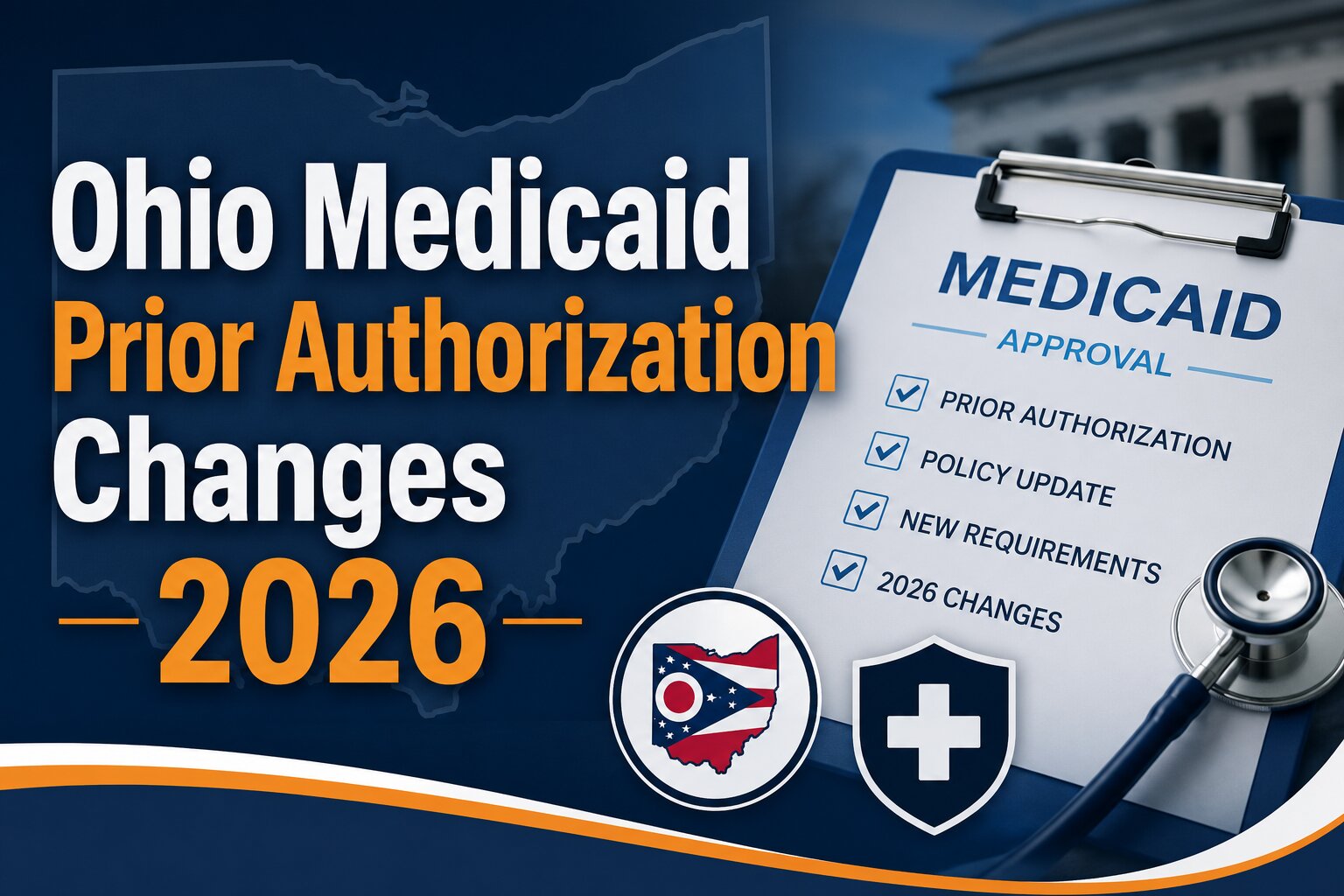
What Behavioral Health Providers Need to Know About Utilization Management Policies Before July 1 Effective July 1, 2026 As a

A parent called me recently and sounded exhausted before she even finished her first sentence. Her son was twenty years

You finally asked for help. Maybe that took weeks. Maybe months. Maybe years. You found a therapist. Scheduled the appointment.

There’s a kind of exhaustion that settles into treatment centers slowly. Not dramatic enough to stop operations. Not obvious enough

There’s a specific kind of exhaustion that shows up inside addiction treatment centers long before leadership says anything out loud.

I used to think the stress was temporary. That if I just pushed a little harder, caught up on claims

Transitioning billing operations is a major operational decision for small behavioral health practices. Many owners know their current process is

Running a behavioral health practice requires more than strong clinical care. Small practice owners also have to manage staffing, compliance,

Managing billing in a behavioral health organization is rarely as simple as submitting claims. Between authorizations, documentation requirements, and evolving